Skip to content
  • About Us
  • Products
  • Honors and Certificates
  • News
  • Contact Us
    • Contact Us
    • Consumer survey form
  • EN
  • FA
  • EN
  • FA
Gylenid<sup>®</sup>(Fingolimod)

Gylenid®(Fingolimod)

Immunomodulator

Product Description :

Fingolimod is an immunomodulator agent. It is used to treat MS (multiple sclerosis).


Product Introduction

Dosage form:
  • Capsule 0.5 mg


What is Gylenid used for?
  • It is used to treat MS (multiple sclerosis).


What do I need to tell my doctor BEFORE I take Gylenid ?
  • If you are allergic to this drug; any part of this drug; or any other drugs, foods, or substances. Tell your doctor about the allergy and what signs you had.
  • If you have ever had any of these health problems: Certain types of abnormal heartbeats, chest pain (angina), heart attack, heart failure, transient ischemic attack (TIA), or stroke.
  • If you have had the varicella vaccine in the past month.
  • If you are taking any drugs used for a heartbeat that is not normal.
  • Tell your doctor and pharmacist about all of your drugs (prescription or OTC, natural products, vitamins) and health problems. You must check to make sure that it is safe for you to take Gylenid with all of your drugs and health problems. Do not start, stop, or change the dose of any drug without checking with your doctor.


What are some things I need to know or do while I take Gylenid?

Tell all of your health care providers that you take this drug. This includes your doctors, nurses, pharmacists, and dentists.

  • Avoid driving and doing other tasks or actions that call for you to be alert until you see how Gylenid affects you.
  • Slow heartbeat and a heartbeat that does not feel normal may happen when first starting this drug. Most of the time, this happens within 6 hours of your first dose. Sometimes, this can happen up to 24 hours after your first dose. Call your doctor right away if you have dizziness, slow heartbeat or a heartbeat that does not feel normal, or tiredness.
  • You will need an ECG before starting Gylenid and during treatment. Talk with your doctor.
  • You may have more chance of getting an infection while you take Gylenid and for 2 months after you stop it. Some infections have been severe and even deadly. Wash hands often. Stay away from people with infections, colds, or flu.
  • Talk with your doctor before getting any vaccines while you take Gylenid and for 2 months after you stop it. Use with Gylenid may either raise the chance of an infection or make the vaccine not work as well.
  • HPV or Genital Warts infections have happened with this drug. This includes HPV-related growths and cancer. You may need to have an HPV vaccine for Genital Warts before taking this drug. Have Pap smears as you have been told by your doctor.
  • When Gylenid is stopped, MS signs can come back and may be worse than before or during treatment. Most of the time, this effect happened in the first 12 weeks after stopping Gylenid but can happen later. If you stop Gylenid and your MS signs get worse, call your doctor right away.
  • Gylenid may raise the chance of getting cancer like lymphoma or skin cancer. Call your doctor right away if you have a change in color or size of a mole, a skin lump or growth, a big weight loss, night sweats, or swollen glands.
  • Avoid lots of sun, sunlamps, and tanning beds. Use sunscreen and wear clothing and eyewear that protects you from the sun. Have your skin checked. Tell your doctor if you have any skin changes like a new wart, skin sore or reddish bump that bleeds or does not heal, or a change in the color or size of a mole.
  • Liver problems have happened with this drug. Sometimes, this has been very bad and a liver transplant has been needed. Talk with the doctor.
  • Gylenid may cause harm to an unborn baby. Tell your doctor if you are pregnant, plan on getting pregnant, or are breast-feeding. You will need to talk about the benefits and risks to you and the baby.


What are some other side effects of Gylenid?

All drugs may cause side effects. However, many people have no side effects or only have minor side effects. Call your doctor or get medical help if any of these side effects or any other side effects bother you or do not go away:

  • Headache.
  • Flu-like signs.
  • Stomach pain or diarrhea.
  • Back pain.
  • Pain in arms or legs.
  • Sinus pain.

Even though it may be rare, some people may have very bad and sometimes deadly side effects when taking a drug. Tell your doctor or get medical help right away if you have any of the following signs or symptoms that may be related to a very bad side effect:

  • Signs of an allergic reaction, like rash; hives; itching; red, swollen, blistered, or peeling skin with or without fever; wheezing; tightness in the chest or throat; trouble breathing, swallowing, or talking; unusual hoarseness; or swelling of the mouth, face, lips, tongue, or throat.
  • Signs of infection like fever, chills, very bad sore throat, ear or sinus pain, cough, more sputum or change in color of sputum, pain with passing urine, mouth sores, or wound that will not heal.
  • Signs of meningitis like headache with fever, stiff neck, upset stomach, confusion, or if lights bother the eyes.
  • Signs of liver problems like dark urine, feeling tired, not hungry, upset stomach or stomach pain, light-colored stools, throwing up, or yellow skin or eyes.
  • Signs of high or low blood pressure like very bad headache or dizziness, passing out, or change in eyesight.
  • Chest pain or pressure.
  • Shortness of breath.
  • Trouble breathing that is new or worse.
  • Change in eyesight, eye pain, or very bad eye irritation.
  • A very bad and sometimes deadly brain problem called posterior reversible encephalopathy syndrome (PRES) has happened with this drug. Call your doctor right away if you have signs like feeling confused, lowered alertness, change in eyesight, loss of eyesight, seizures, or very bad headache.
  • A very bad brain problem called progressive multifocal leukoencephalopathy (PML) has happened with this drug. It may cause disability or can be deadly. Tell your doctor right away if you have signs like confusion, memory problems, low mood (depression), change in the way you act, change in strength on 1 side is greater than the other, trouble speaking or thinking, change in balance, or change in eyesight.


How is Gylenid best taken?

Use Gylenid as ordered by your doctor. Read all information given to you. Follow all instructions closely.

  • The first dose is given in a doctor’s office or hospital. This will also be done if you are starting Gylenid again after stopping it for some time. You will be watched for at least 6 hours after the first dose of this drug. Some people may need to be watched overnight. Before starting this drug, tell your doctor about all of your other drugs and health problems.
  • Take with or without food.
  • Keep taking Gylenid as you have been told by your doctor or other health care provider.
  • Do not stop taking Gylenid without calling the doctor who ordered it for you.
  • Check blood pressure and heart rate as the doctor has told you. Have blood work checked as you have been told by the doctor.
  • Have an eye exam as you have been told by your doctor.
  • If you have not had chickenpox or a chickenpox vaccine, talk with your doctor.
  • If you are not up to date with all of your vaccines, talk with your doctor. You may need to have some vaccines before treatment with Gylenid.
  • Gylenid may affect certain lab tests. Tell all of your health care providers and lab workers that you take Gylenid.


What do I do if I miss a dose?

Call your doctor to find out what to do.


How do I store and/or throw out Gylenid?
  • Store in the original container at room temperature.
  • Store in a dry place. Do not store in a bathroom.
  • Keep all drugs in a safe place. Keep all drugs out of the reach of children and pets.


Related Products

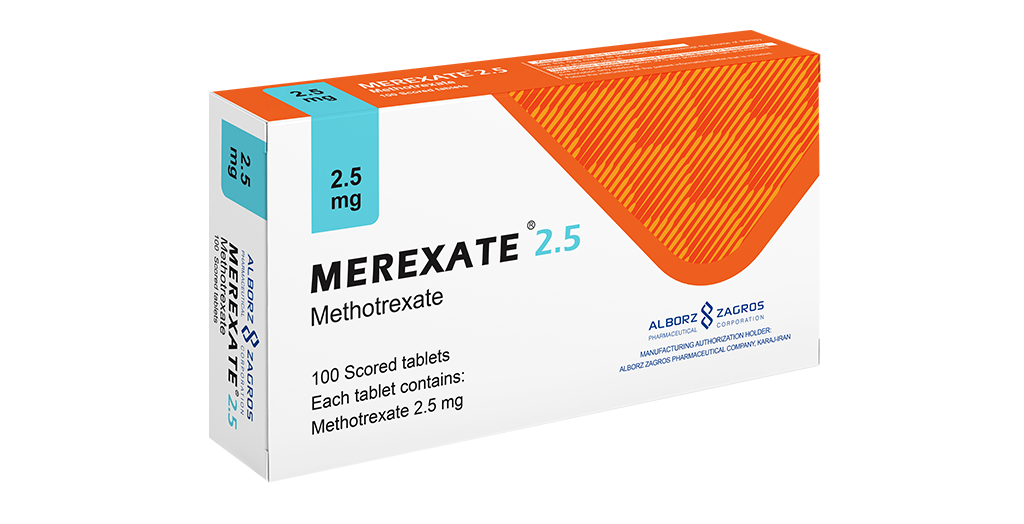
Merexate®(Methotrexate )

Methotrexate is a disease-modifying antirheumatic drug (DMARD) that works by reducing inflammation and slowing abnormal immune system activity.
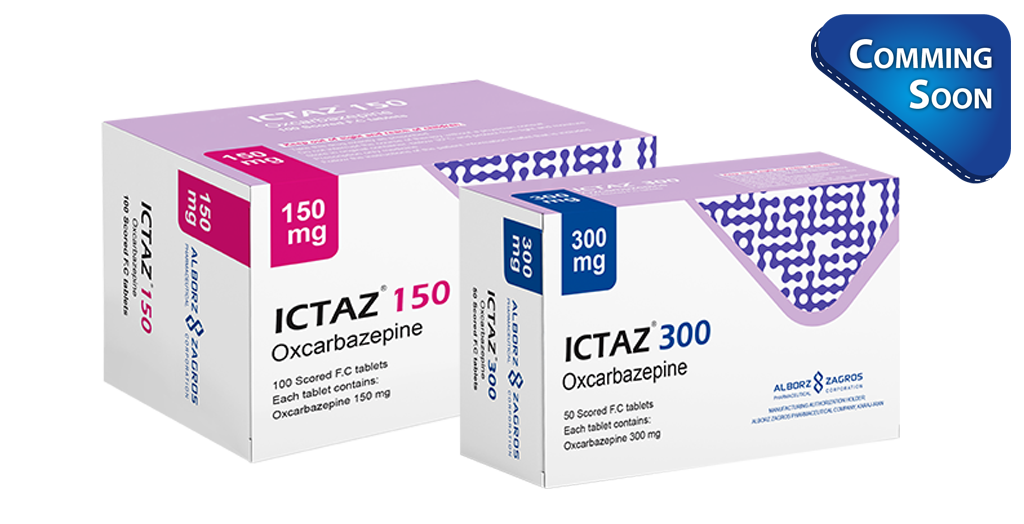
Ictaz®(Oxcarbazepine)

Oxcarbazepine is an anticonvulsant medication that can be used either as monotherapy or in combination therapy to manage seizures or for other uses as prescribed by a physician.

Alborz Zagros is part of ACTOVER GROUP

All rights reserved by Alborzzagros Pharmaceutical Company.

Facebook Twitter Youtube